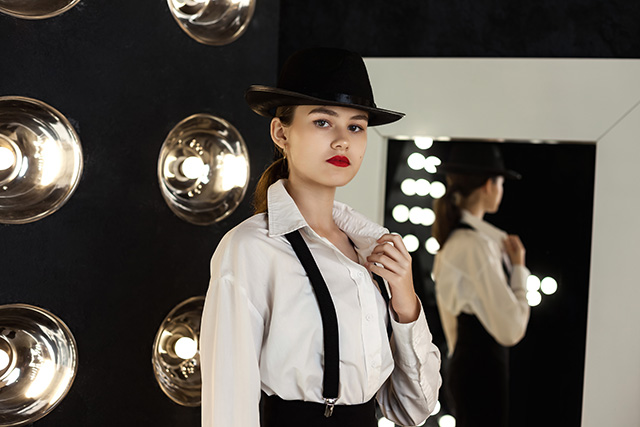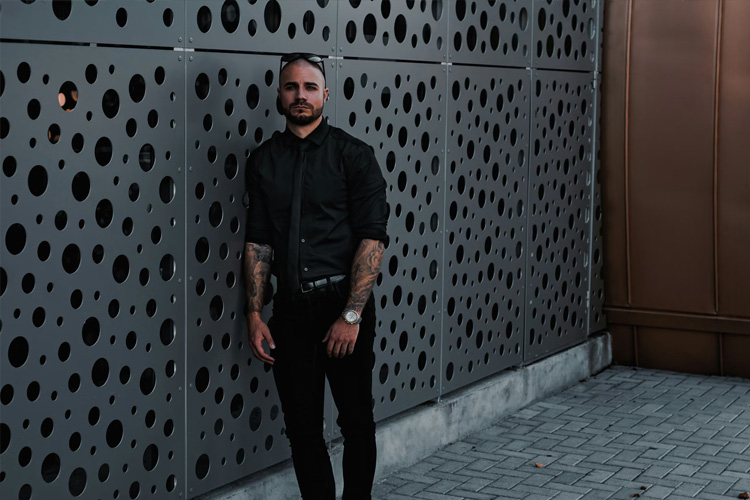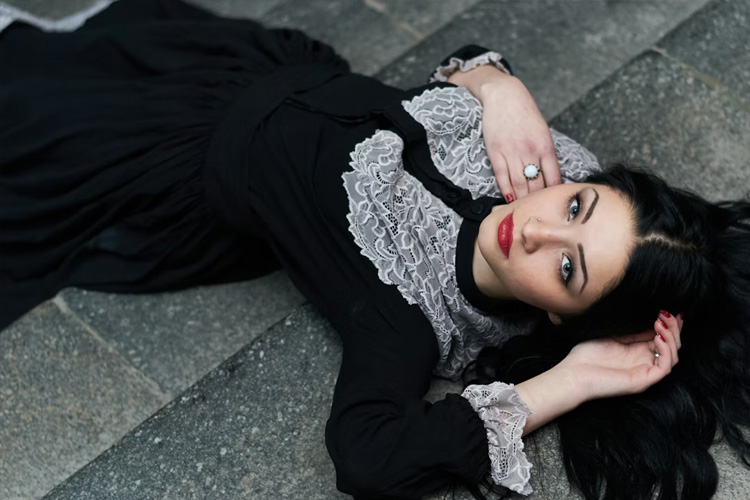
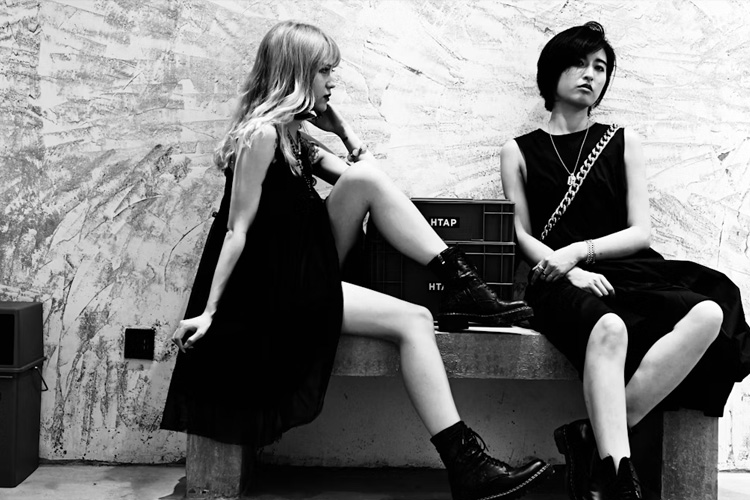
The foundation of any dark aesthetic is color harmony. Black is central, but mixing shades of charcoal, slate, deep navy, and muted burgundy adds depth and dimension. Avoid flatness by considering how fabrics interact with light: matte cotton absorbs it, while satin or leather reflects it subtly. By carefully choosing complementary tones, you ensure every piece contributes to a cohesive visual story rather than competing for attention.
Layering for Depth and Interest
Layering is essential in achieving a sophisticated dark look. Combining structured outerwear with soft underlayers adds movement and contrast. For example, a tailored wool coat over a flowing cashmere top creates tension, while a leather jacket over a fitted shirt emphasizes shape. Accessories like slim belts, minimalist jewelry, or tonal scarves can punctuate layers, adding subtle complexity without breaking the minimalist elegance. Layering allows your wardrobe to evolve, offering multiple looks from a few key pieces.
Silhouette determines how your dark aesthetic is perceived. Clean lines, tailored cuts, and proportionate layering communicate authority and poise. Oversized elements work only when balanced with fitted components, maintaining structure and intentionality. Footwear is critical: sleek boots or minimal sneakers anchor the outfit and complete the visual flow. The right silhouette makes even simple garments feel purposeful and refined, reinforcing the overall aesthetic.
Texture as a Statement
In dark style, texture is more expressive than color. Combining matte, glossy, and brushed fabrics creates subtle visual tension, enhancing depth. Small details—like embossed leather, tonal stitching, or understated hardware—become focal points that elevate an outfit without clutter. Texture is also tactile, giving a wardrobe a sensory dimension that makes monochrome ensembles feel alive rather than static.
Presence Through Confidence
A cohesive dark aesthetic isn’t just about the clothes you wear—it’s about the presence you project. Every detail of how you carry yourself becomes part of the style: posture, movement, and even the pace of your steps communicate intention. A straight spine, controlled gestures, and deliberate motion turn simplicity into authority, transforming restraint into a quiet kind of power that commands attention without demanding it. Confidence is the invisible layer that binds a minimalist, monochrome wardrobe together, making each piece feel purposeful rather than arbitrary.
Beyond the garments themselves, dark fashion becomes a form of nonverbal storytelling. The way you move through space, how your gaze meets others, and the subtle rhythm of your gestures all work in concert with your clothing to express identity and self-assurance. Thoughtfully chosen silhouettes, textures, and accessories are magnified by the poise behind them, creating a narrative of control, sophistication, and refinement. In this sense, dark fashion transcends mere apparel—it evolves into a language of personal expression, a visual dialect of taste and intention, where every fold, shadow, and line communicates subtle authority and understated elegance.
Ultimately, the power of a dark aesthetic lies not only in what you wear but in how you inhabit it. The clothes provide the framework, but presence gives them life, turning minimalist pieces into an immersive experience of identity, confidence, and cultural resonance.