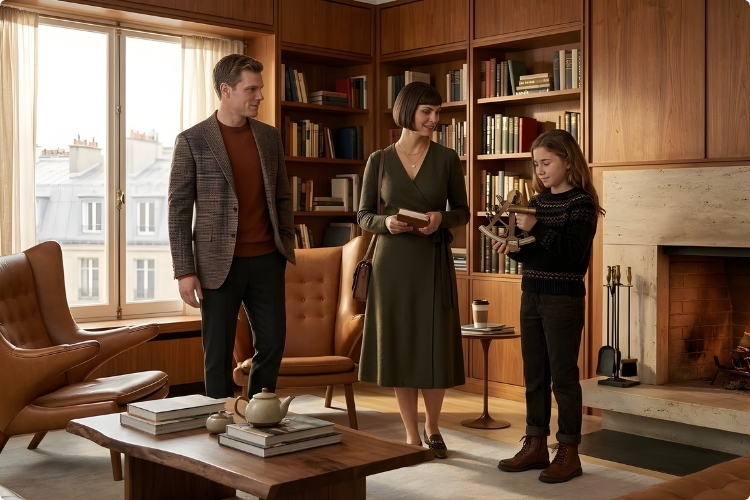
Fashion has always been a conversation between the past and the present. Today, that dialogue is louder than ever. We aren't just "wearing old clothes"; we are witnessing a sophisticated revival where the architectural integrity of the 20th century meets the effortless utility of the 21st.
The allure of vintage shapes lies in their intentionality. While modern "fast fashion" often prioritizes the temporary, these classic silhouettes were designed to frame the body with purpose. Here is how the most iconic shapes of yesterday are being reimagined for today’s lifestyle.
Modern Takes on Classic Silhouettes
Wide-Leg Trousers
Borrowed from the 1940s and the 1970s, the wide-leg trouser has officially dethroned the skinny jean. For the modern wardrobe, the "puddle pant" or the high-waisted palazzo offers a sense of drama without sacrificing comfort.
The Adaptation: Modern versions use lightweight wool blends or sustainable linens that move with the wearer, rather than the stiff fabrics of the past.
Structured Blazers
The "Power Suit" of the 80s has been softened but not silenced. Today’s structured blazer retains the sharp shoulders and nipped waists of the past but removes the excessive padding. It serves as an architectural layer that instantly commands respect in a professional setting.
Midi Dresses
With roots in the 1950s "New Look," the midi dress remains a staple because of its inherent grace. The modern update often features bolder prints or technical fabrics, making it less "preppy" and more "street-style chic."
Cropped Jackets
Taking cues from the 1960s mod era, the cropped jacket is the ultimate layering tool. It hits at the natural waist, emphasizing the silhouette of high-waisted trousers or skirts, and provides a structured alternative to the casual hoodie.
Minimalist Evening Pieces
The 1990s taught us that "less is more." The bias-cut slip dress and the stark, clean lines of floor-length gowns are back. These pieces are favored for their versatility; they act as a blank canvas for personal expression.
Why These Shapes Endure
Why do we keep coming back to these specific forms? It boils down to proportional balance.
-
Universality: These shapes are democratic. A wide-leg trouser balances the hips; a structured blazer defines the frame regardless of gender.
-
Gender Fluidity: Modern fashion has blurred the lines. Men are embracing the softer drape of vintage-inspired trousers, while younger audiences (Gen Z) are raiding thrift stores to mix "grandpa core" blazers with streetwear.
-
The Sustainability Factor: Vintage shapes are inherently "anti-trend." Because they have already survived decades, they feel like a safe, stylish investment in an era of conscious consumption.
Styling Your Heritage Pieces
The beauty of vintage-inspired clothing is its chameleon-like ability to shift moods. Here is how to style these pieces for a seamless transition.
| Piece | Work Styling | Evening Styling |
| Wide-Leg Trousers | Paired with a tucked-in turtleneck and loafers. | Swapped for a silk camisole and pointed-toe heels. |
| Structured Blazer | Worn over a crisp button-down and tailored chinos. | Draped over the shoulders of a slip dress. |
| Midi Dress | Layered with a trench coat and leather boots. | Added statement gold jewelry and a bold lip. |
| Cropped Jacket | Paired with a high-waisted pencil skirt. | Worn over a dark denim set for a "cool-refined" look. |
The Final Touch
To keep these looks from feeling like a "costume," the secret is in the contrast. Mix a 1940s trouser with a modern sneaker, or a 90s slip dress with a chunky, contemporary boot. By blending eras, you aren't just wearing history, you’re making it your own.