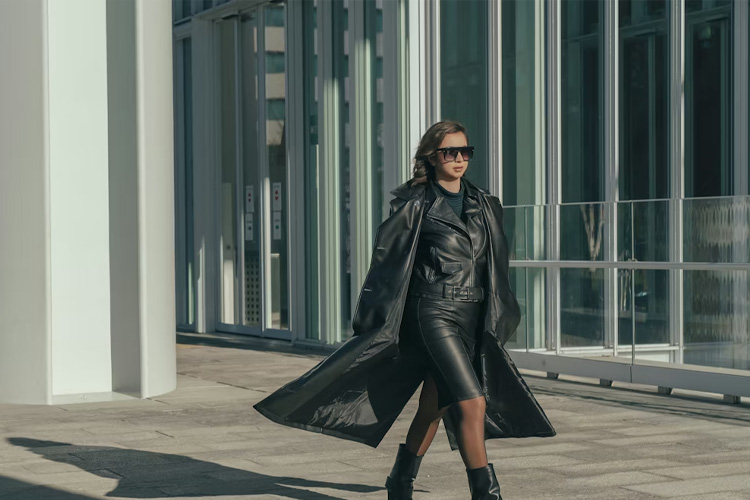
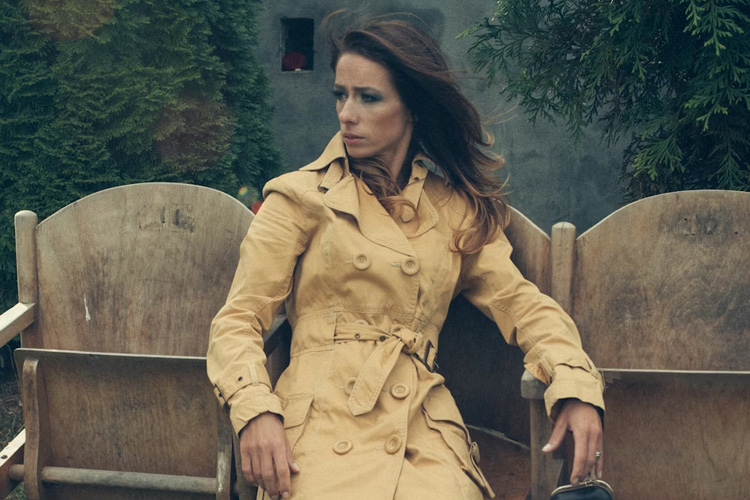
Fashion is more than clothing—it’s a language. Dark fashion, in particular, communicates restraint, mystery, and power. Black and muted tones act as symbols, conveying seriousness, confidence, and sophistication. Unlike bright, attention-seeking trends, dark style speaks quietly but deliberately. Each silhouette, texture, and accessory functions as a word in this language, expressing identity without explanation. Understanding these cues allows wearers to participate in a cultural dialogue that transcends mere appearance.
Dark fashion has deep roots in cultural movements, from classic film noir to goth, punk, and avant-garde streetwear. Each subculture interprets darkness differently—leather jackets and combat boots may signify rebellion, while sleek tailored coats suggest refinement. Today, these influences blend, creating a hybrid aesthetic that values individuality within a shared vocabulary. Modern noir is less about conformity and more about curating identity through subtle signals that others in the know immediately recognize.
Symbolism in Materials and Silhouettes
Fabric choice and silhouette carry meaning beyond style. Matte, glossy, or textured fabrics convey mood; structured versus flowing cuts suggest authority or freedom. Layering adds depth to outfits, just as layering adds nuance to identity. Accessories—minimalist jewelry, sharp belts, or bold footwear—act as cultural signifiers, completing the narrative. In dark fashion, every element is intentional, allowing wearers to craft a persona that resonates visually and culturally.
Fashion as Personal Expression
At its core, dark fashion is a tool for self-expression. It allows individuals to present themselves with control, projecting confidence and mystery while maintaining flexibility in how others perceive them. The cultural power of this aesthetic lies in its subtlety: it invites observation without forcing attention, creating an aura of influence that extends beyond clothing. Through thoughtful choices, anyone can harness the symbolic weight of dark fashion to communicate identity, taste, and personal values.
While trends shift rapidly, the cultural resonance of dark fashion remains. Its appeal lies in adaptability—able to integrate new silhouettes, textures, and inspirations without losing its core language. By understanding the cultural significance of dark clothing, wearers not only follow trends but participate in a broader dialogue about style, identity, and social perception. Dark fashion becomes more than clothing; it becomes a cultural statement, a way to navigate society with confidence and quiet authority.