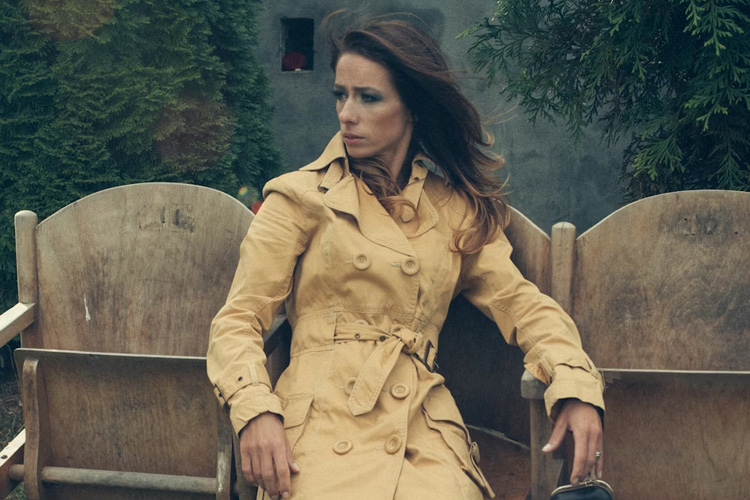
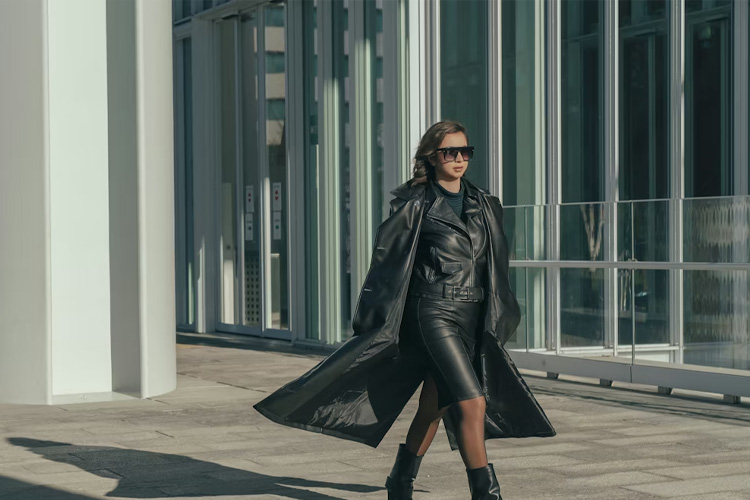
Dark fashion doesn’t exist in isolation—it mirrors society’s moods, values, and tensions. Black and muted tones convey seriousness, introspection, and sophistication, reflecting cultural shifts toward minimalism, sustainability, and intentionality. Clothing becomes a canvas for storytelling, allowing individuals to communicate alignment with particular cultural attitudes or aesthetic philosophies. In this sense, dark fashion is both reactive and proactive: it responds to social climate while influencing perception, signaling taste, discernment, and confidence.
Subcultures and Their Legacy
From gothic and punk movements to avant-garde streetwear and the shadowy elegance of film noir, dark fashion has long carried subcultural significance that extends far beyond mere clothing. Each of these movements interprets darkness through a unique lens: goth cultivates an aura of rebellion and introspection, using dramatic silhouettes, layered fabrics, and rich, somber tones to express individuality and emotional depth; punk channels raw defiance and energy, favoring bold lines, distressed materials, and unexpected juxtapositions that disrupt mainstream norms. Meanwhile, modern minimalism reimagines darkness as controlled refinement, emphasizing restraint, clean lines, and precision in tailoring to convey sophistication without excess.
Over time, these once-distinct influences have begun to intersect, forming a hybrid aesthetic that is simultaneously personal and culturally legible. A single ensemble might blend the rebellious edge of punk boots with the flowing layers of goth-inspired outerwear, finished with the sleek silhouette and subtle palette of minimalism. The result is a style that feels contemporary yet grounded in history—a visual narrative that communicates awareness of subcultural roots while adapting to today’s social and aesthetic context.
Material, Form, and Symbolism
Fabric choice and silhouette communicate as much as color. Matte leather, structured wool, or flowing silk each carries meaning, suggesting strength, sophistication, or fluidity. Layering and proportion further convey cultural literacy—long coats, fitted jackets, and balanced ensembles demonstrate an understanding of style that goes beyond trends. Accessories, from minimalist jewelry to tonal footwear, function as cultural signifiers, completing the story. Every element contributes to a visual language understood by those attuned to the aesthetic.
Fashion as Identity
Dark fashion empowers individuals to take full control over how they are perceived, turning clothing into a deliberate extension of personality, values, and social awareness. Every choice—color, texture, silhouette, and accessory—becomes a statement, allowing the wearer to curate a visual identity that communicates intention without words. But the impact extends beyond what is worn. Posture, grooming, and movement interact with clothing to amplify its message: the way someone carries themselves can make tailored black trousers feel commanding, a flowing coat appear ethereal, or subtle makeup read as confident and refined.
In this context, dark fashion transforms into a language of nonverbal communication. It can project authority through sharp tailoring, sophistication through restraint, or intrigue through shadowed layers and nuanced contrasts. Each outfit becomes a form of storytelling: the angles of a collar, the drape of a jacket, the polished finish of a shoe—these small choices speak volumes to observers who are attuned to the aesthetic. Unlike bold, loud fashion statements that seek immediate attention, dark fashion relies on subtlety; it does not demand to be noticed, yet it leaves a lasting impression on those who perceive its carefully curated cues.
This subtlety is precisely where dark fashion derives its cultural power. It signals awareness and discernment, showing that the wearer understands both the history of style and its contemporary dialogue. By presenting themselves intentionally, individuals communicate confidence, self-possession, and cultural literacy. The aesthetic becomes a silent form of influence—drawing attention from those who recognize the nuances while remaining understated to the casual observer. Ultimately, dark fashion is not just clothing; it is a tool for sculpting presence, shaping identity, and navigating social and cultural spaces with quiet, unwavering authority.